No products in the basket.
Underfloor Heating Insulation


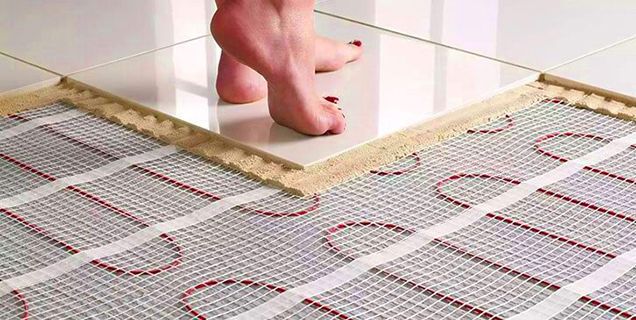
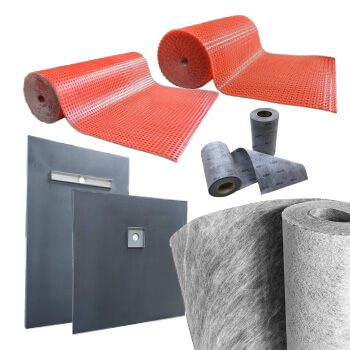
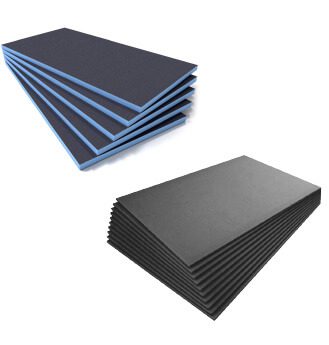
Underfloor heating insulation goes under the heating so the warmth goes up into the room instead of down into the subfloor. The floor warms up faster and the heating runs for less time. We stock three types: XPS boards (the budget option), tile backer boards (the trade standard under tiles) and Impact Plus underlay for laminate and wood.
Underfloor Heating Insulation
Insulation is essential for efficient underfloor heating. It creates a protective layer between your subfloor and heating system,
preventing heat loss and improving overall performance.
Maximise Efficiency & Protect Your Heating
Especially important on concrete subfloors, insulation stops heat from being drawn downward,
ensuring warmth rises into the room and your heating system works effectively.
Working out a budget? Our electric underfloor heating cost guide covers the mat, thermostat, boards, fitting and running costs for a typical bathroom.
Which underfloor heating insulation do I need?
| Your floor | Your heating | Insulation |
|---|---|---|
| Tiles or stone | Mesh mat or loose wire | Tile backer boards (trade standard, recommended on timber floors) or XPS boards on a budget |
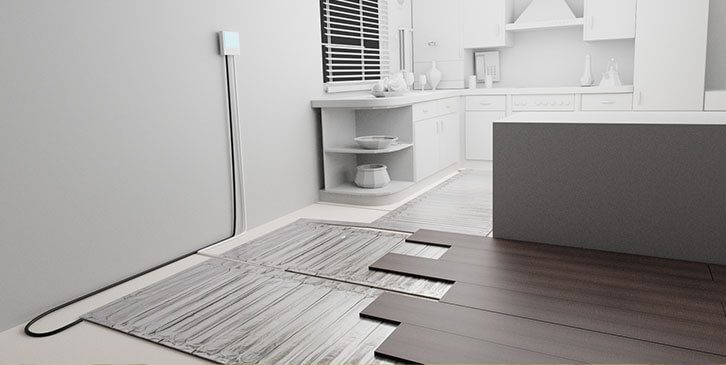
| Laminate or engineered wood | Foil mat | Impact Plus underlay |
| LVT | Foil mat | XPS boards |
Tile backer boards can’t be used with foil mats.
XPS insulation boards
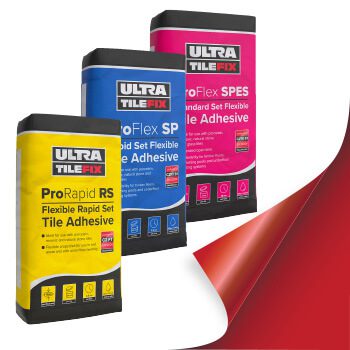
Our budget option. 600 x 620mm boards in 6mm to 30mm, fixed with flexible tile adhesive. They go under tiles, and under laminate, wood and LVT with our foil mats.
Tile backer boards
The trade standard under tiles. 1200 x 600mm boards in 6mm to 30mm, cement coated on both faces so they’re a stable surface to tile onto. They also go on walls.
Impact Plus underlay
Thermal and acoustic underlay for laminate and engineered wood floors, laid under our foil heating mats.
Fixing washers
For screwing tile backer boards down to timber floors and stud walls.
Underfloor heating insulation FAQs
Do I need insulation under electric underfloor heating?
We recommend it. It’s the single biggest thing you can do to cut running costs, because the heat goes up into the room instead of down into the subfloor.
What thickness of insulation should I use?
The thicker the board, the better it insulates. 6mm is the most popular on floors because it keeps the build-up low, but on a concrete floor, where more heat is lost, go thicker if you can.
XPS or tile backer board?
XPS is the budget option and works with most systems. Tile backer boards cost more but give a stable, cement-coated surface to tile onto, which is why they’re the trade standard and the ones we recommend on timber floors. Under a foil mat, use XPS, not tile backer.
What goes under foil heating mats?
Impact Plus underlay under laminate and engineered wood, or XPS boards under LVT. Tile backer boards can’t be used with foil mats.
Is insulation needed on a concrete floor?
It matters even more there. A concrete slab draws a lot of heat downwards, so insulation makes a big difference to warm-up time and running costs.